Tranquil Trip Planning: Customized Quiet Getaway Planning Tips
Taking time away from the noise and rush of everyday life is essential for restoring balance and peace. When planning a quiet getaway, the goal is to create a space where calmness and relaxation take center stage. I have found that a well-thought-out plan tailored to your unique needs can transform a simple trip into a deeply restorative experience. Whether you are a first responder or someone seeking a low-stress, focused travel experience, these tips will help you design a getaway that truly nurtures your well-being.
Finding Your Ideal Quiet Destination for Tranquil Trip Planning
Choosing the right destination is the first step in tranquil trip planning. It’s important to select a place that naturally encourages peace and quiet. Think about locations that offer gentle landscapes, minimal crowds, and a slower pace of life. Coastal towns, mountain retreats, or secluded countryside cottages often provide the perfect backdrop for relaxation.
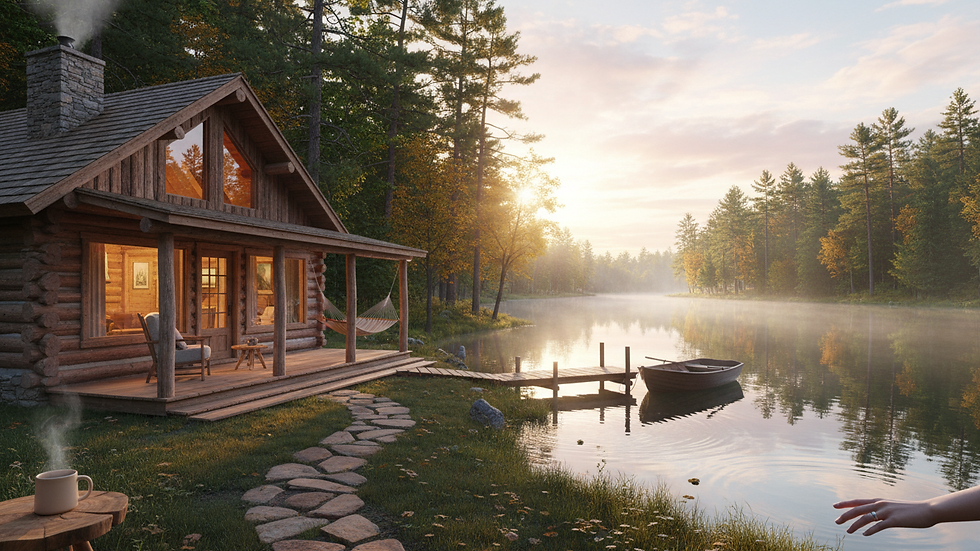
When I plan my trips, I look for places where I can hear the sounds of nature rather than traffic or city noise. For example, a small lakeside cabin or a quiet beach town can be ideal. These spots allow you to disconnect from the usual hustle and bustle and reconnect with yourself.
Tips for choosing your destination:
Research the noise levels and visitor traffic during your intended travel dates.
Look for accommodations that emphasize privacy and tranquility.
Consider the accessibility of the location to avoid stressful travel logistics.

Planning Your Itinerary with Tranquil Trip Planning in Mind
Once you have your destination, the next step is to plan an itinerary that supports relaxation rather than exhaustion. A quiet getaway should not feel rushed or packed with activities. Instead, focus on gentle experiences that allow you to unwind and recharge.
I recommend scheduling plenty of downtime between activities. This might include leisurely walks, reading in a hammock, or simply sitting outside to enjoy the scenery. Avoid overbooking your days. The goal is to create space for spontaneity and rest.
Ideas for a calming itinerary:
Morning meditation or gentle yoga to start the day.
A slow breakfast with fresh, local ingredients.
Midday nature walks or visits to quiet parks.
Afternoon naps or journaling sessions.
Evening stargazing or listening to soft music.
By pacing your days thoughtfully, you create a rhythm that soothes the mind and body.
Packing Essentials for a Peaceful Escape
Packing for a quiet getaway requires a different mindset than packing for a busy vacation. The focus should be on comfort, simplicity, and items that enhance relaxation. I always pack soft clothing, a good book, and anything that helps me feel grounded.
Consider bringing items that support your well-being, such as a travel journal, essential oils, or a favorite herbal tea. Noise-canceling headphones can be a great addition if you want to block out unexpected sounds. Also, don’t forget practical items like sunscreen and comfortable shoes for gentle walks.
Packing checklist for tranquility:
Comfortable, loose-fitting clothes
Personal care items that promote relaxation (e.g., lavender spray)
Books or e-readers with calming content
Journaling materials
Snacks and hydration supplies
Noise-canceling headphones or earplugs
Packing thoughtfully ensures you have everything you need to maintain your calm throughout the trip.

How to Embrace Mindfulness During Your Getaway
Mindfulness is a powerful tool to deepen the sense of peace during your trip. It encourages you to be fully present in each moment, appreciating the quiet and beauty around you. I find that practicing mindfulness helps me slow down and savor the experience rather than rushing through it.
Simple mindfulness exercises can be woven into your daily routine while traveling. For example, take a few deep breaths before stepping outside, notice the colors and sounds around you, or focus on the sensation of your feet touching the ground during a walk.
Mindfulness practices to try:
Guided meditation apps tailored for relaxation.
Mindful eating, paying attention to flavors and textures.
Journaling your thoughts and feelings each day.
Gentle stretching or breathing exercises.
By embracing mindfulness, you enhance the restorative power of your getaway and return home feeling refreshed and centered.
Creating a Personalized Quiet Getaway Experience
Every person’s idea of a perfect quiet getaway is unique. That’s why I always emphasize the importance of customized quiet getaway planning. Tailoring your trip to your preferences and needs makes all the difference in how rejuvenating it feels.
Think about what truly relaxes you. Is it being near water, surrounded by trees, or perhaps having access to a cozy fireplace? Do you prefer complete solitude or gentle social interactions? Answering these questions helps you design a trip that feels just right.
Ways to customize your getaway:
Choose accommodations that match your comfort level and style.
Plan activities that align with your interests and energy levels.
Set boundaries around technology use to minimize distractions.
Include small rituals that bring you joy, like morning tea or evening journaling.
Personalizing your trip ensures it supports your well-being in the most meaningful way.
Nurturing Your Well-Being Beyond the Getaway
The benefits of a quiet getaway can extend far beyond the trip itself. I encourage you to think about how you can carry the calm and clarity you find on your journey into your daily life. This might mean adopting new habits or simply remembering to take moments for yourself regularly.
Consider creating a post-trip routine that includes mindfulness, gentle exercise, or time outdoors. Reflect on what aspects of your getaway brought you the most peace and find ways to incorporate those into your home environment.
Suggestions for ongoing well-being:
Schedule regular breaks for quiet reflection.
Maintain a gratitude journal inspired by your trip.
Practice breathing exercises during stressful moments.
Create a calming space at home with elements from your getaway.
By nurturing your well-being continuously, you honor the restorative work you did during your tranquil trip.
Planning a quiet getaway is a beautiful way to prioritize your mental and emotional health. With thoughtful choices and gentle pacing, you can create a travel experience that truly restores and rejuvenates. Remember, the key is to listen to yourself and design a trip that feels peaceful and personal. Your tranquil trip planning journey begins with small, intentional steps that lead to lasting calm.


Comments