Planning the Perfect Quiet Getaway: Quiet Retreat Planning for True Rest
Taking time away from the noise and demands of everyday life is essential. When the world feels overwhelming, a quiet getaway offers a chance to recharge, reflect, and restore balance. I have found that planning the perfect quiet getaway requires intention, care, and a gentle approach. It is not just about escaping but about creating a space where calm and peace can truly take root. In this post, I will share thoughtful steps and practical tips to help you design a quiet retreat that nurtures your well-being.
Why Quiet Retreat Planning Matters
Quiet retreat planning is more than booking a trip. It is about crafting an experience that honors your need for silence, solitude, and simplicity. For those in high-stress roles, such as first responders, this kind of planning is vital. It allows you to step away from the constant demands and find a sanctuary for your mind and body.
When I plan a quiet retreat, I focus on three key elements:
Location: Choosing a place that naturally encourages calm.
Pace: Setting a rhythm that feels unhurried and gentle.
Activities: Selecting simple, restorative experiences.
By paying attention to these details, the getaway becomes a true refuge. It is a time to breathe deeply, listen inward, and reconnect with what matters most.

Choosing the Ideal Location for Your Quiet Getaway
The location sets the tone for your entire retreat. I always recommend seeking out places that offer natural beauty and minimal distractions. Quiet beaches, mountain cabins, forest lodges, or small rural towns can be excellent choices. The key is to find somewhere where the noise of daily life fades away.
When selecting your destination, consider:
Accessibility: How easy is it to get there without stress?
Privacy: Will you have space to be alone or with minimal company?
Natural surroundings: Does the environment inspire calm and relaxation?
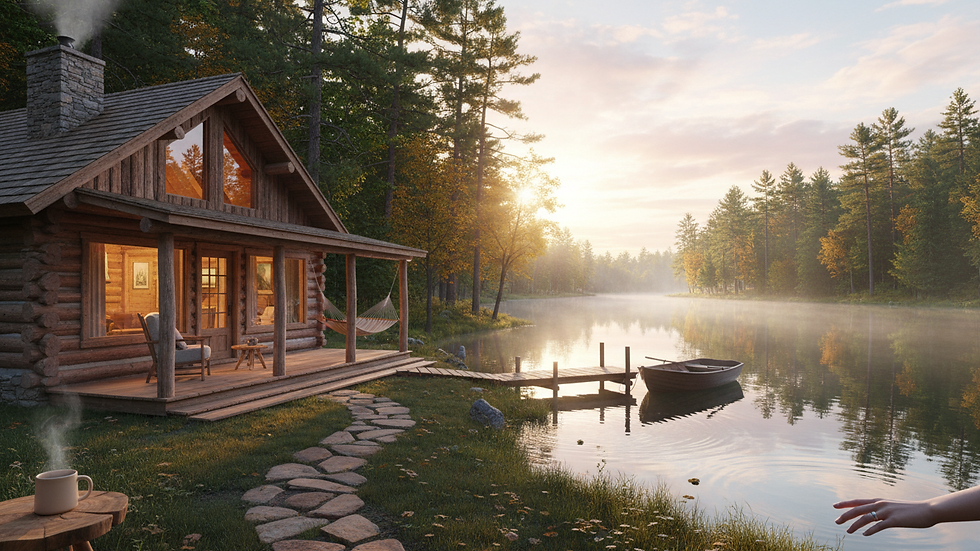
For example, a cozy cabin nestled in the woods can provide the perfect backdrop for quiet reflection. The sounds of rustling leaves and birdsong create a soothing atmosphere. Alternatively, a small coastal town with gentle waves and open skies can offer a peaceful escape.
I also suggest checking the local amenities to ensure you have what you need without overwhelming options. Sometimes, less is more when it comes to quiet retreat planning.
Preparing Your Mind and Body for Rest
Before you even leave, preparing yourself mentally and physically can enhance the benefits of your getaway. I find that setting clear intentions helps me stay focused on rest and renewal. Ask yourself what you hope to gain from this time away. Is it deep relaxation? Creative inspiration? Emotional healing?
Here are some ways to prepare:
Limit screen time in the days leading up to your trip.
Practice gentle breathing exercises or meditation to calm your mind.
Pack thoughtfully, including items that bring comfort like a favorite book, cozy blanket, or journal.
Plan simple meals or snacks that nourish without fuss.
By entering your retreat with a calm mindset, you create space for true rest. Remember, this time is yours to slow down and be gentle with yourself.

Crafting a Gentle Daily Rhythm
One of the most important parts of quiet retreat planning is designing a daily rhythm that supports relaxation. I avoid over-scheduling and instead focus on creating a flow that feels natural and unhurried.
Consider these ideas for your daily routine:
Morning mindfulness: Start with a few minutes of meditation, stretching, or simply sitting quietly with your thoughts.
Nature walks: Spend time outdoors, noticing the small details around you.
Creative expression: Write, draw, or engage in a hobby that brings you joy.
Rest periods: Allow yourself time to nap, read, or simply be still.
Evening reflection: End the day with gentle journaling or gratitude practice.
This kind of rhythm helps your body and mind settle into a peaceful state. It also encourages you to be present and savor each moment.
Practical Tips for a Successful Quiet Getaway
To make your quiet retreat truly restorative, here are some practical tips I have learned along the way:
Communicate your plans: Let friends and family know you will be offline or unavailable to protect your quiet time.
Turn off notifications: Silence your phone and other devices to avoid interruptions.
Pack light: Bring only what you need to reduce stress and simplify your experience.
Bring comfort items: A soft blanket, favorite tea, or calming scents can enhance your sense of peace.
Be flexible: Allow your plans to shift based on how you feel each day.
If you want to tailor your experience even more, consider exploring customized quiet getaway planning. This approach can help you design a retreat that perfectly fits your unique needs and preferences.
Embracing the Quiet and Finding Renewal
A quiet getaway is a gift you give yourself. It is a chance to step away from noise, pressure, and constant activity. When I embrace the quiet fully, I find a deep sense of renewal. The stillness allows me to reconnect with my inner calm and gain clarity.
Remember, the goal is not to fill every moment with activity but to create space for rest. Trust the process and be kind to yourself. Whether you spend your time reading by a window, walking through a forest, or simply sitting in silence, each moment contributes to your well-being.
Taking this time is an act of self-care and resilience. It prepares you to return to your daily life with renewed energy and peace.
Planning the perfect quiet getaway is a journey of gentle intention and mindful choices. By focusing on location, preparation, rhythm, and practical details, you can create a retreat that truly restores. I hope these insights inspire you to prioritize your well-being and embrace the healing power of quiet.


Comments